Shoulder
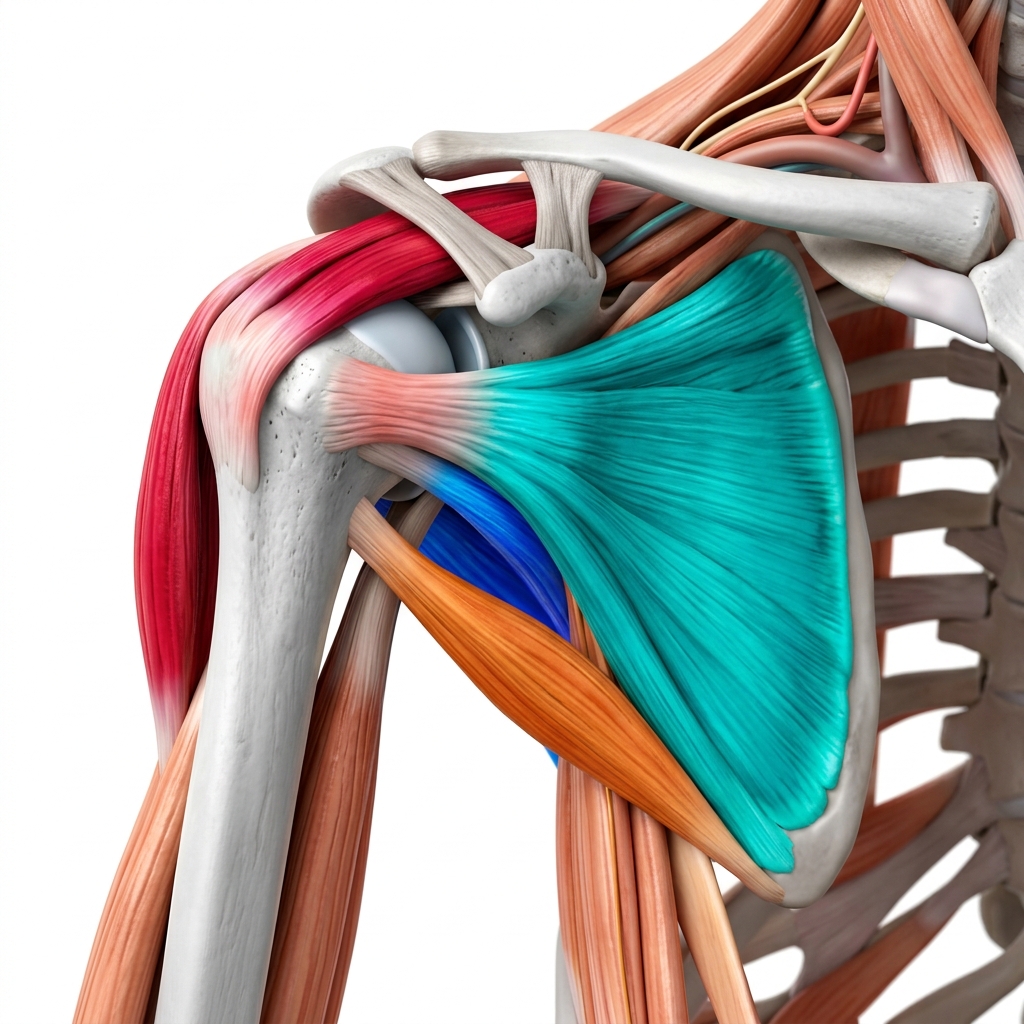
How Long Will I Have Pain After Rotator Cuff Surgery?
A week-by-week breakdown of what to expect, plus red flags to watch for during recovery.
Medically reviewed
Week-by-week recovery timelines, pain guides, and warning signs — written by doctors, understood by patients.

"After years in the clinic, I realized patients are sent home with far too little information about their recovery. PainAfter is my mission to give you the honest, evidence-based timelines and pain guides you deserve."
A week-by-week breakdown of what to expect, plus red flags to watch for during recovery.
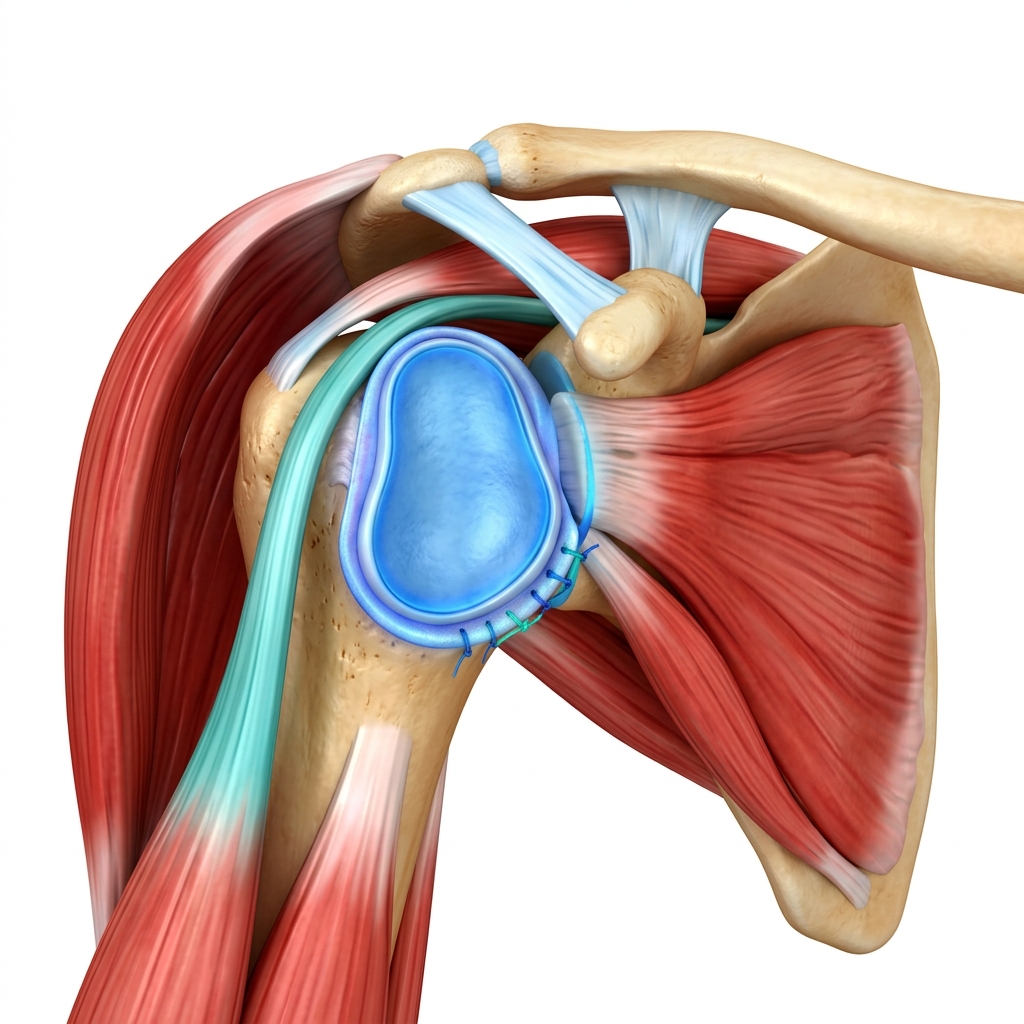
Still hurting a year after surgery? Learn the most common causes, treatment options, and when to worry.
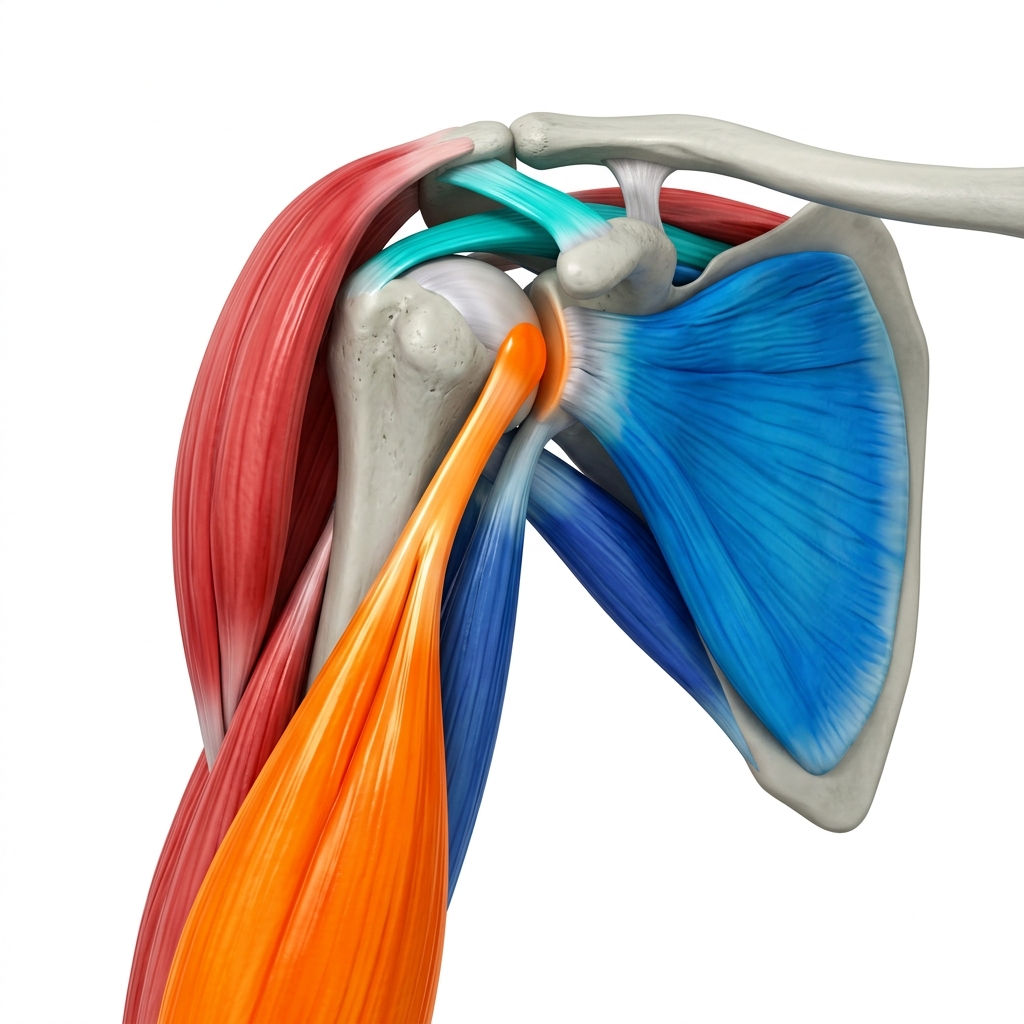
Significant pain is normal for 4–6 weeks after bicep tendon repair. Here's exactly what to expect.
All articles written with board-certified physicians and updated for 2025.
Most patients underestimate recovery time. We break down every phase — from the day-of ache to the 12-month milestone — and explain exactly what's normal.
Most shoulder surgeries heal within 6–12 months. When pain persists beyond that, it's not always a red flag — but it does need attention. Here's how to know the difference.
Shoulder pain after bicep tendon repair is normal for 4–8 weeks. Learn the healing phases, pain scale data, home relief strategies, and warning signs to watch.
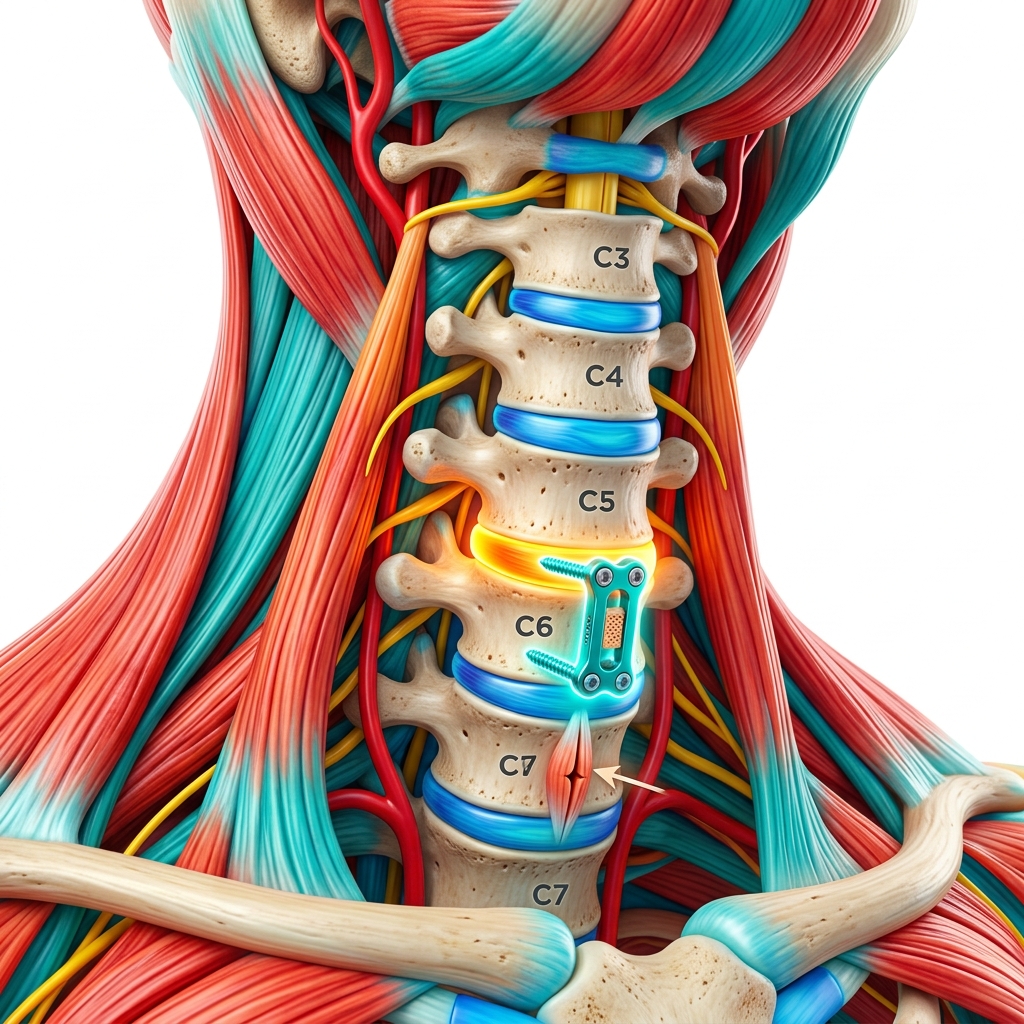
Shoulder and neck pain after ACDF is common and usually temporary — but understanding why it happens helps patients recover with confidence. Includes shoulder blade pain explained.
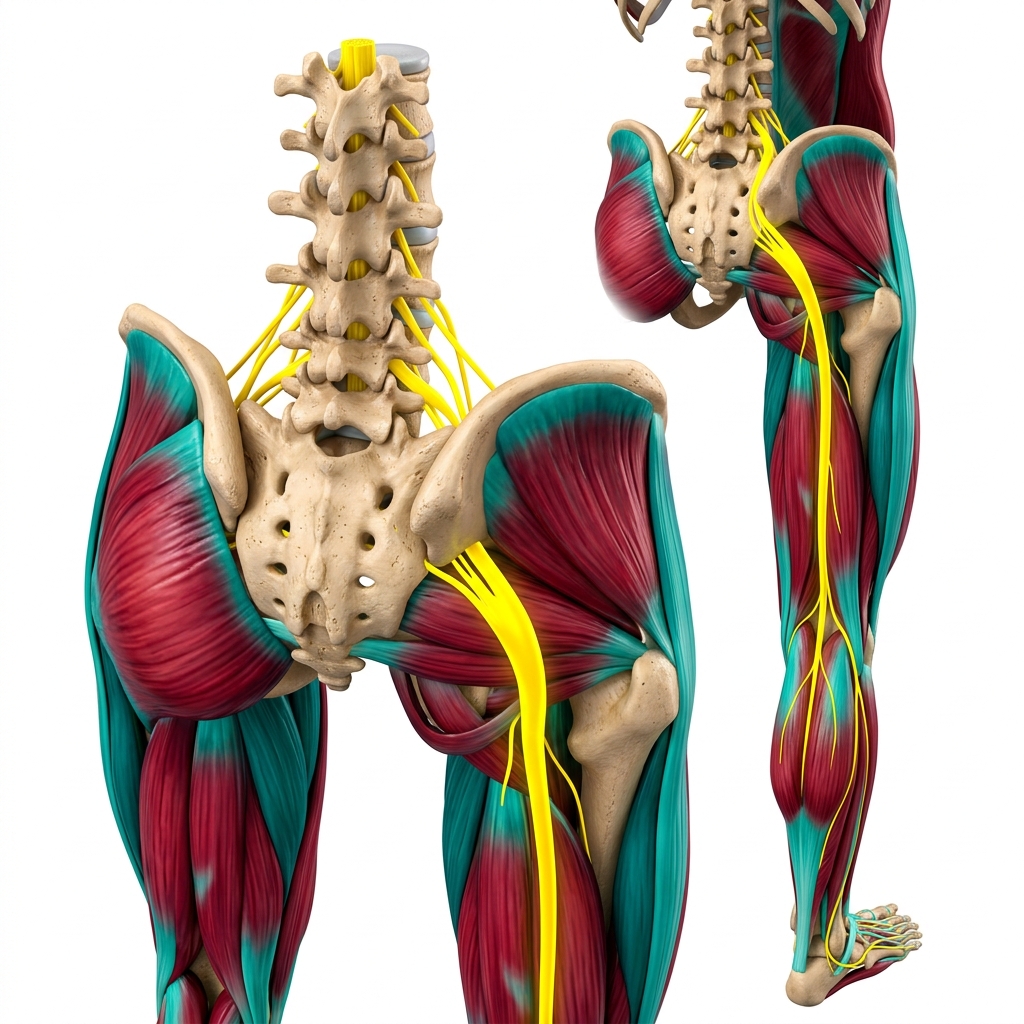
Burning, shooting, and tingling leg pain after back surgery is nerve recovery in action — but that doesn't make it easier to bear. Here are the 6 most effective treatments, ranked by evidence.
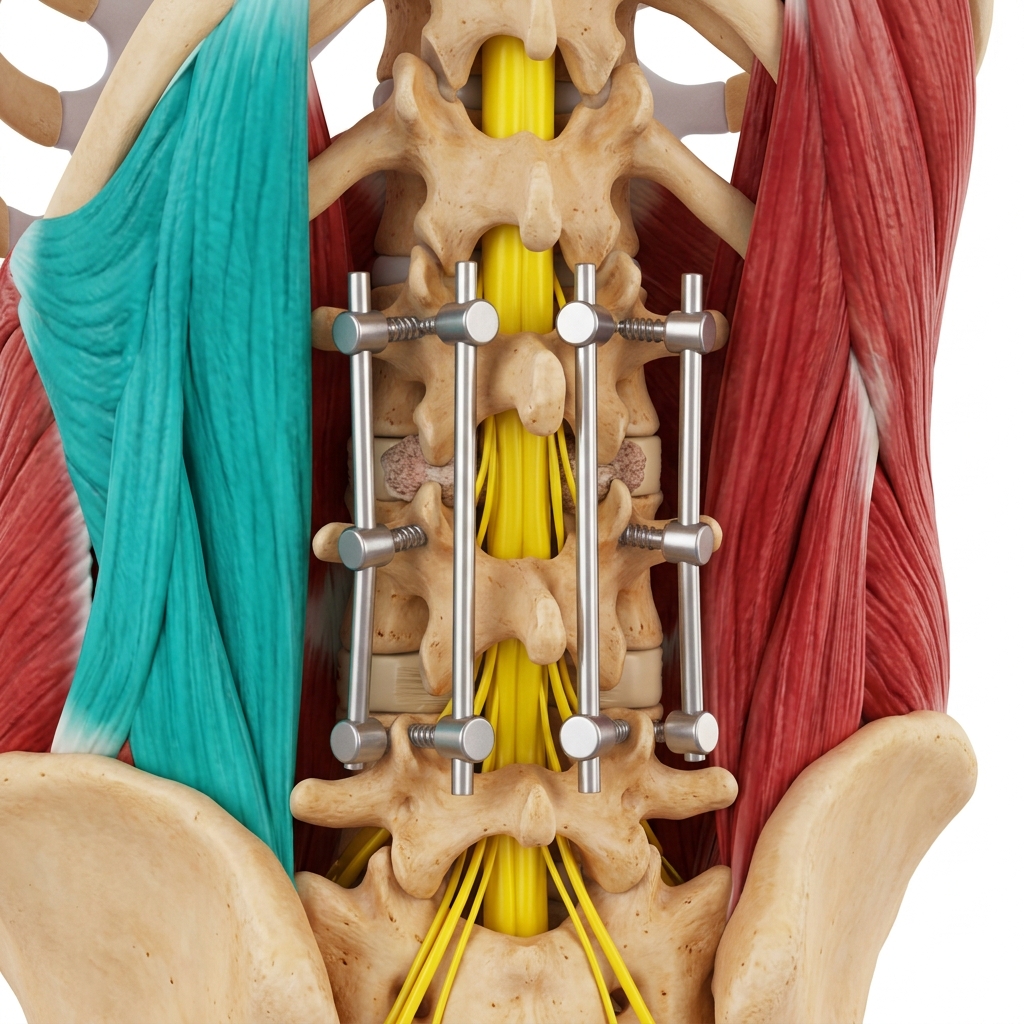
Many patients are shocked when leg pain temporarily worsens in the first weeks after spinal fusion. This guide explains the awakening nerve phenomenon and what recovery really looks like.
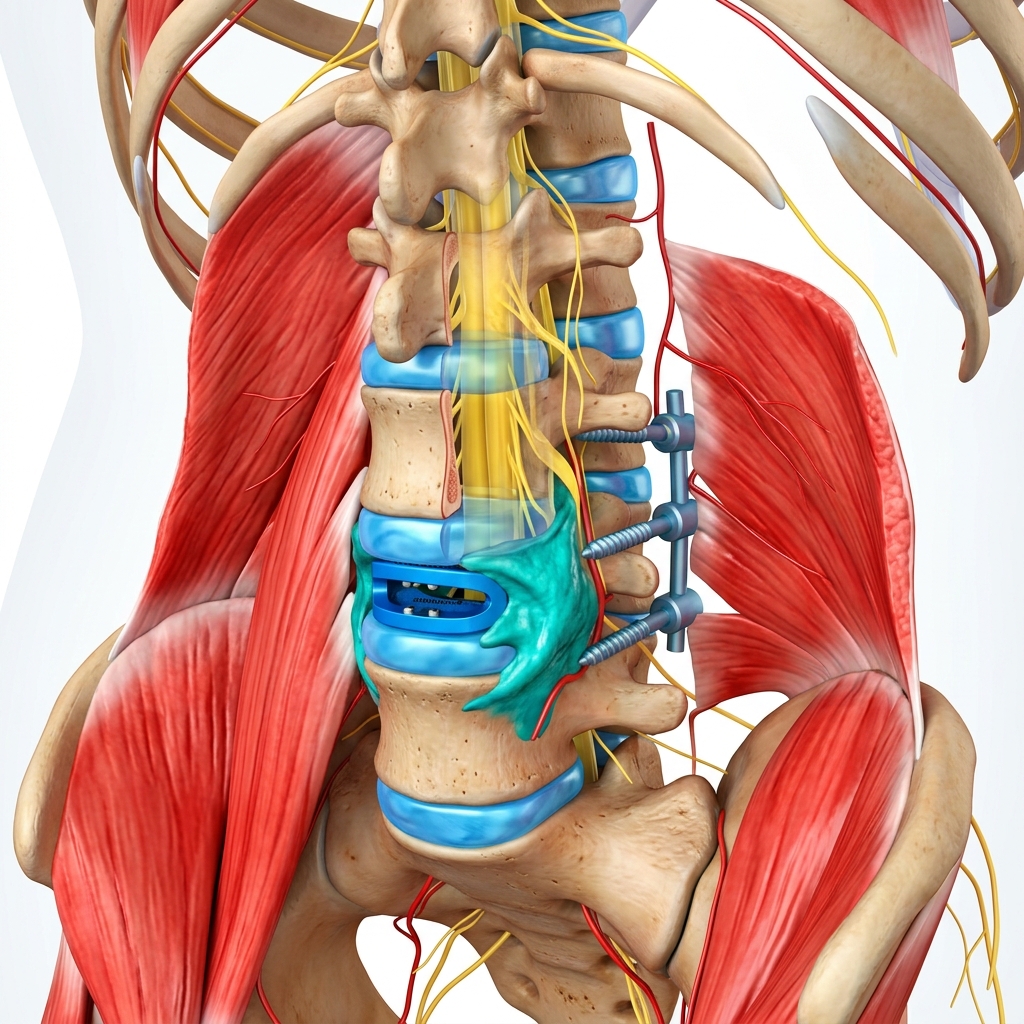
From day-one opioids to month-six physical therapy — a week-by-week medication and activity plan that covers every phase of back surgery recovery.
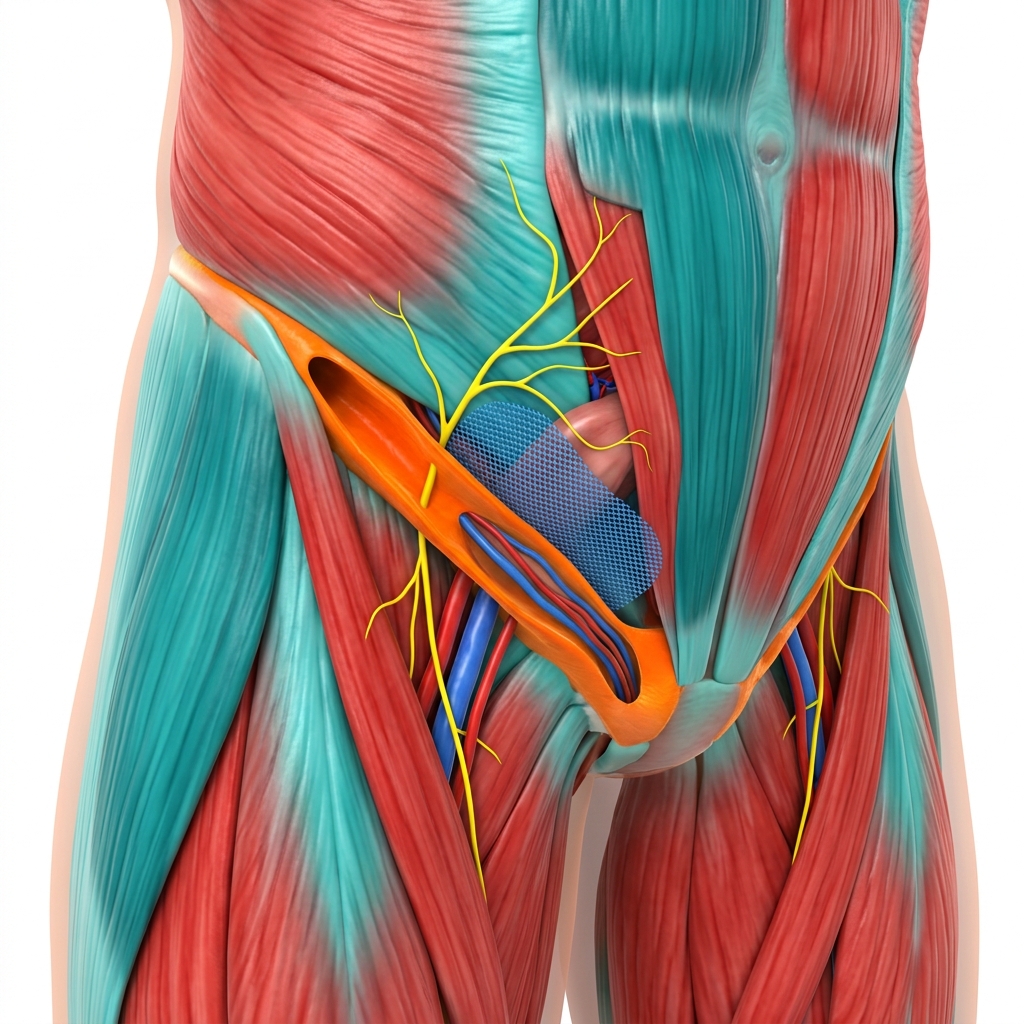
The pulling and tugging sensation after hernia repair alarms many patients — but it's almost always caused by mesh tension and scar tissue. Here's the week-by-week breakdown.
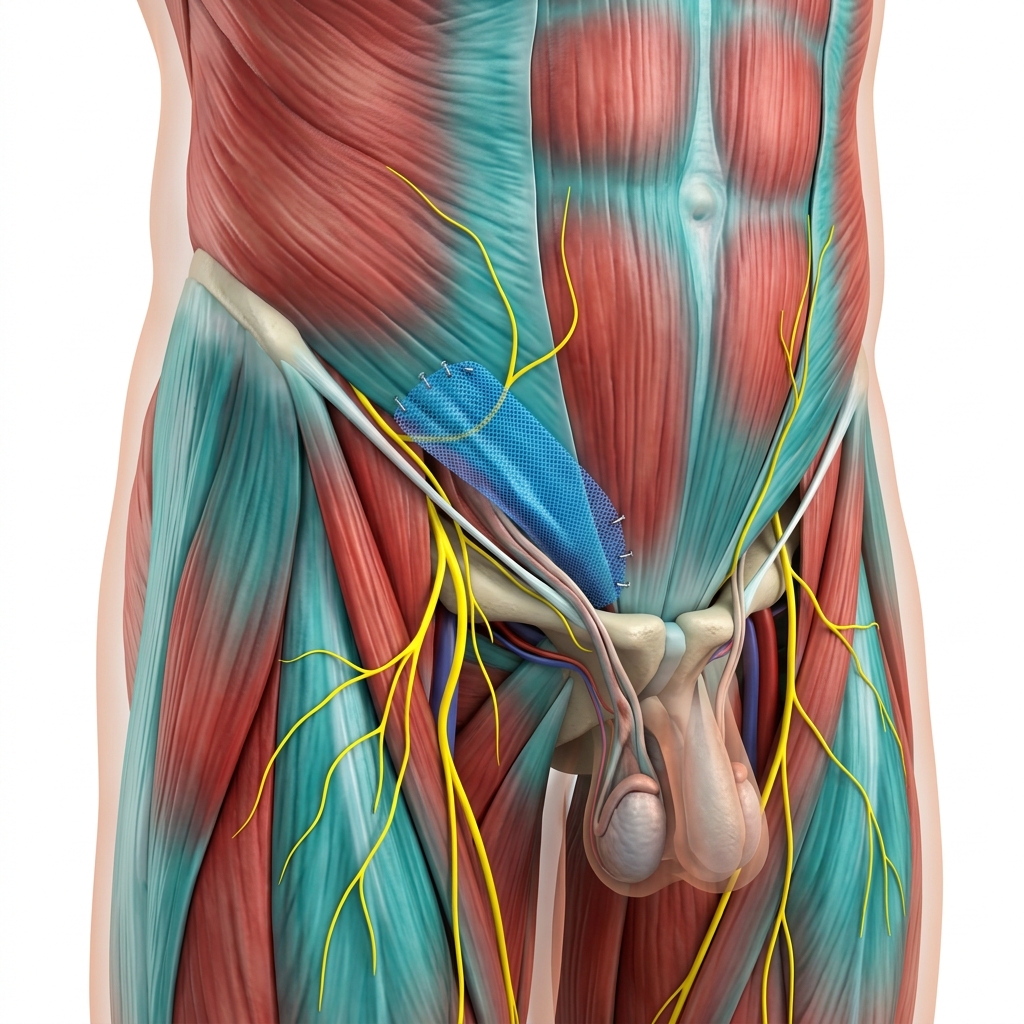
Chronic pain beyond 3 months after hernia repair affects 10–12% of patients. Learn the most common causes, treatment options, and when to ask for a referral.
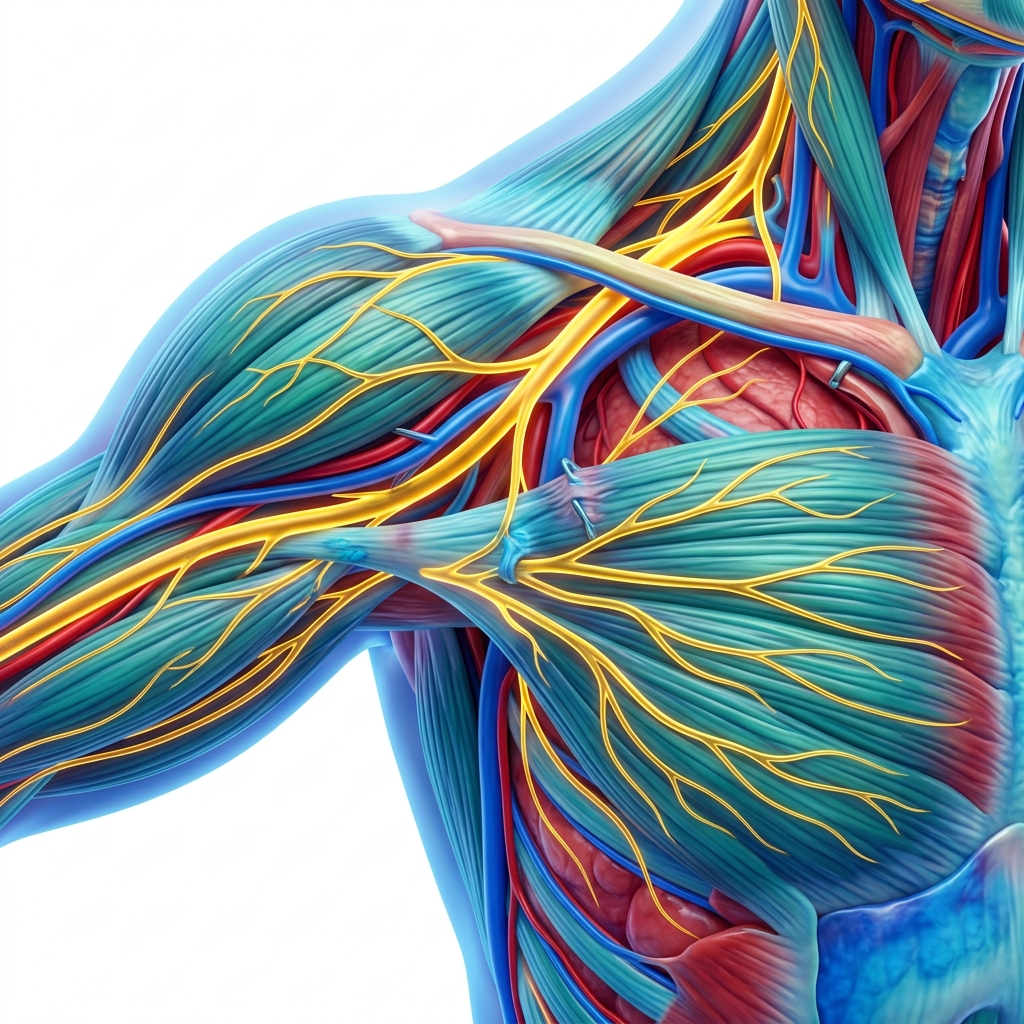
Burning, shooting, electric sensations after surgery affect many patients — and most don't know what to expect. This complete guide covers every surgery type and every phase.
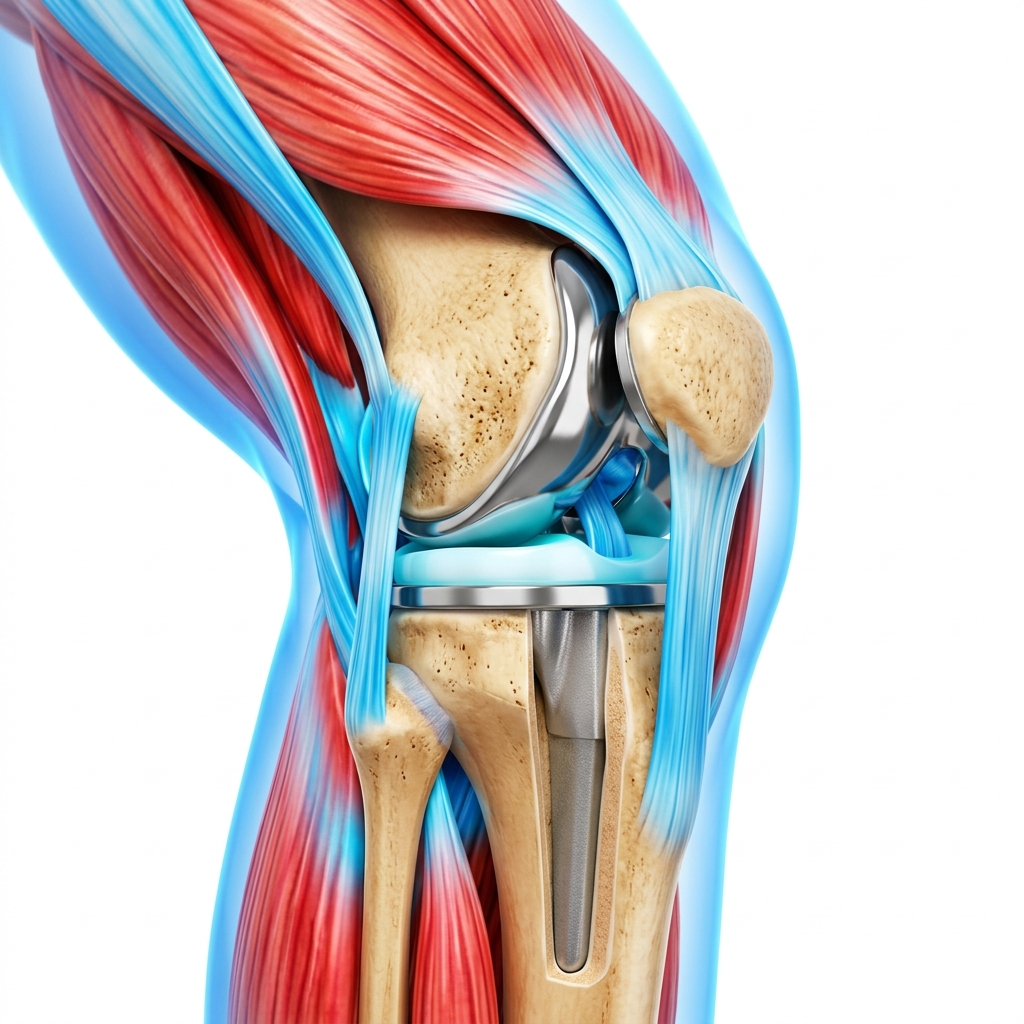
Knee replacement recovery is longer and more painful than most patients expect. Here's the honest week-by-week timeline and what separates normal pain from warning signs.
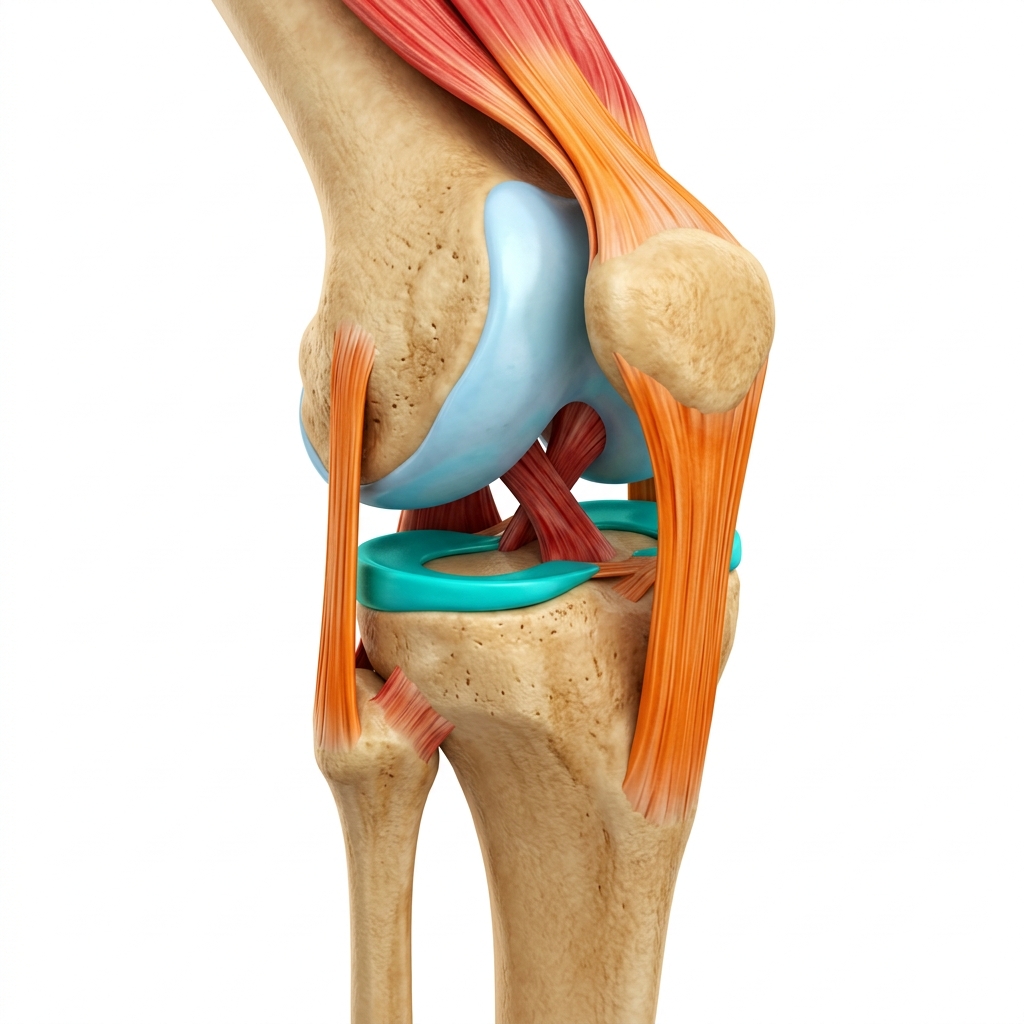
Meniscectomy vs. meniscus repair have very different recovery timelines. Learn why pain at 3 months means different things depending on which procedure you had.
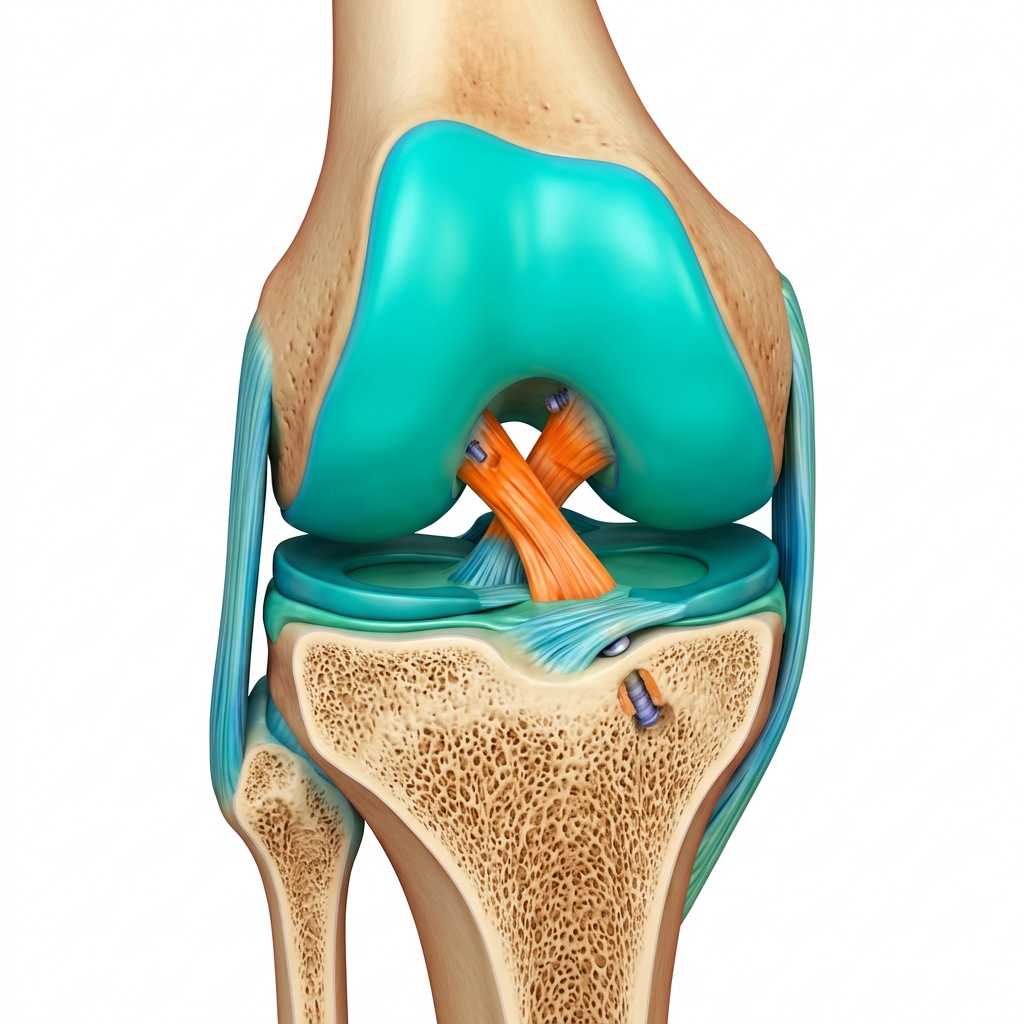
Ice, elevation, medication timing, PT soreness — everything you need to know to manage pain effectively at every phase of knee surgery recovery.
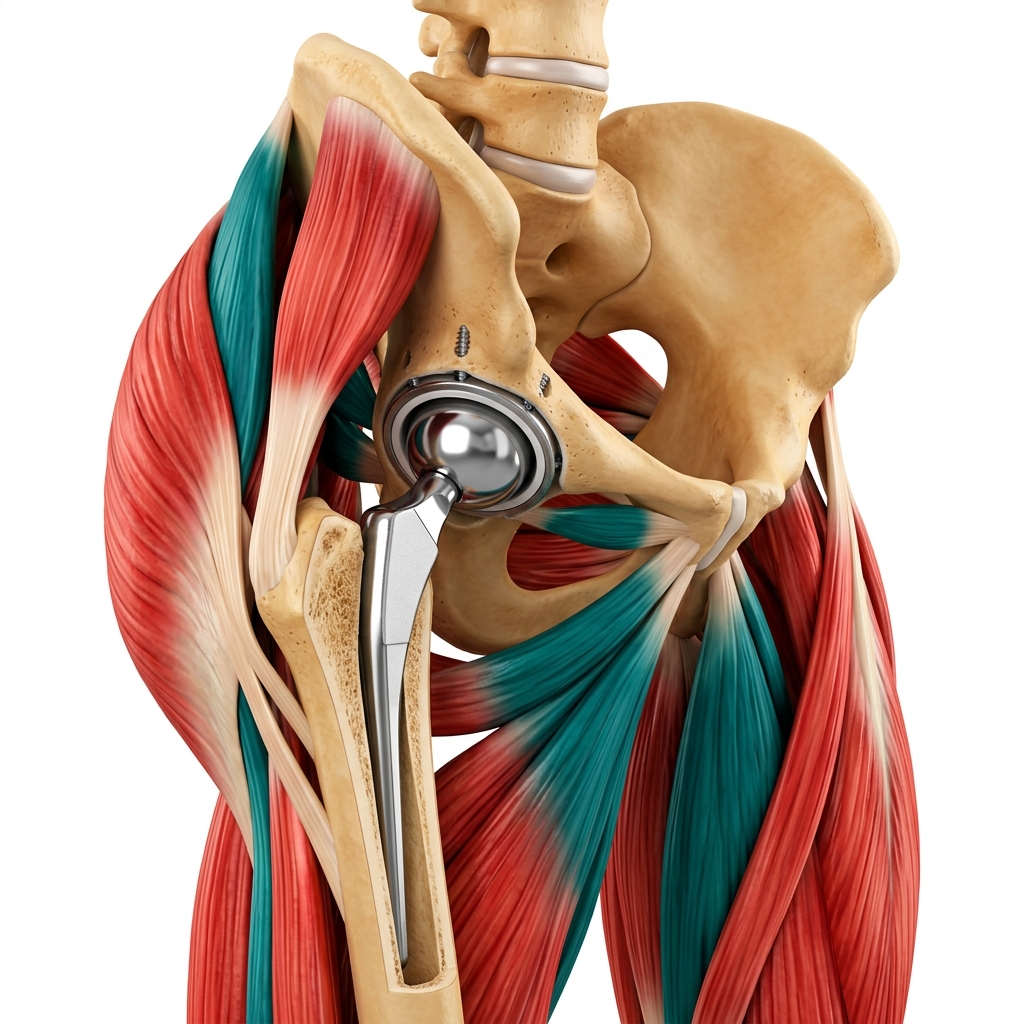
Thigh pain, groin aching, clicking — hip replacement patients are often confused about what's normal. This guide maps every pain pattern by phase, including the often-unexplained thigh pain.
Groin nerve pain affects up to 30% of hernia repair patients. Learn about the three nerves involved, how long it lasts, and when it becomes a chronic problem requiring a nerve block.
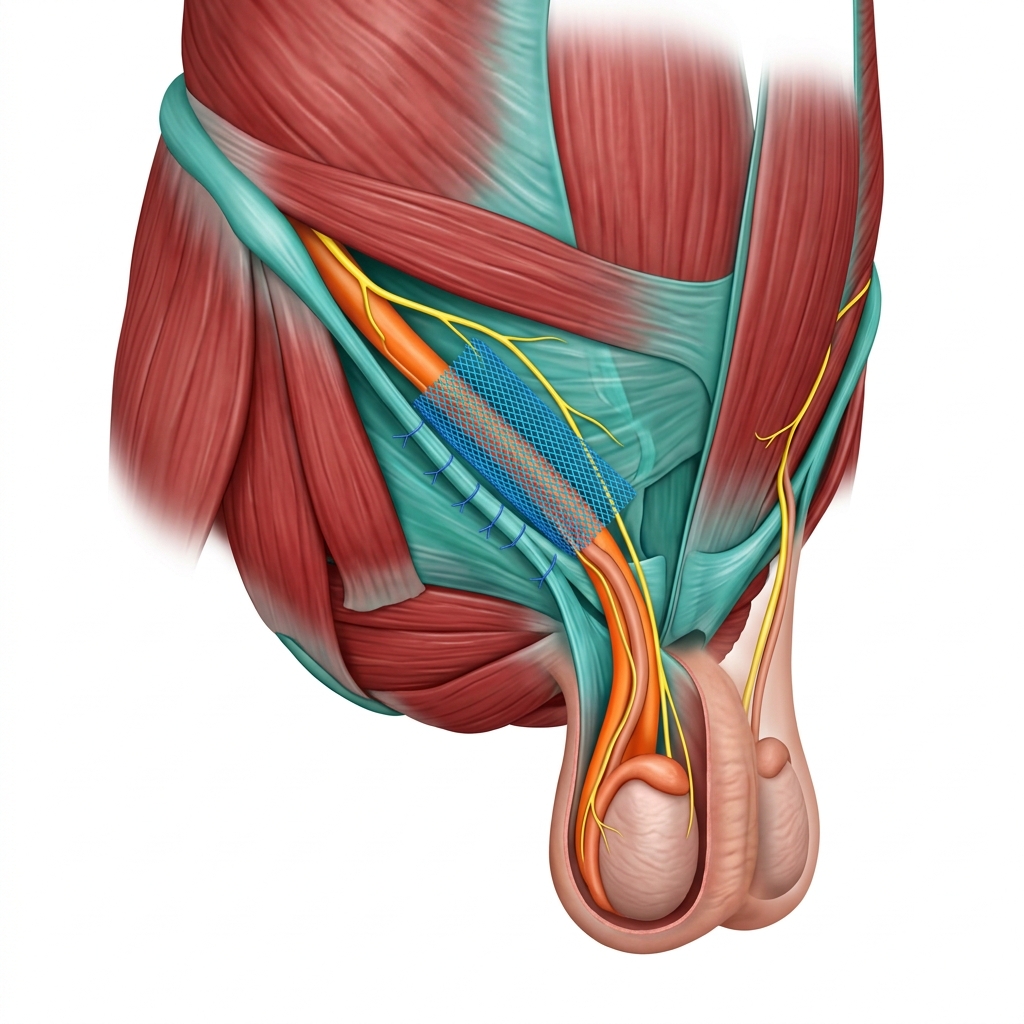
Most patients aren't warned about testicular pain after hernia repair — then are alarmed when it occurs. Here's why it happens, the timeline, and which symptoms need immediate attention.
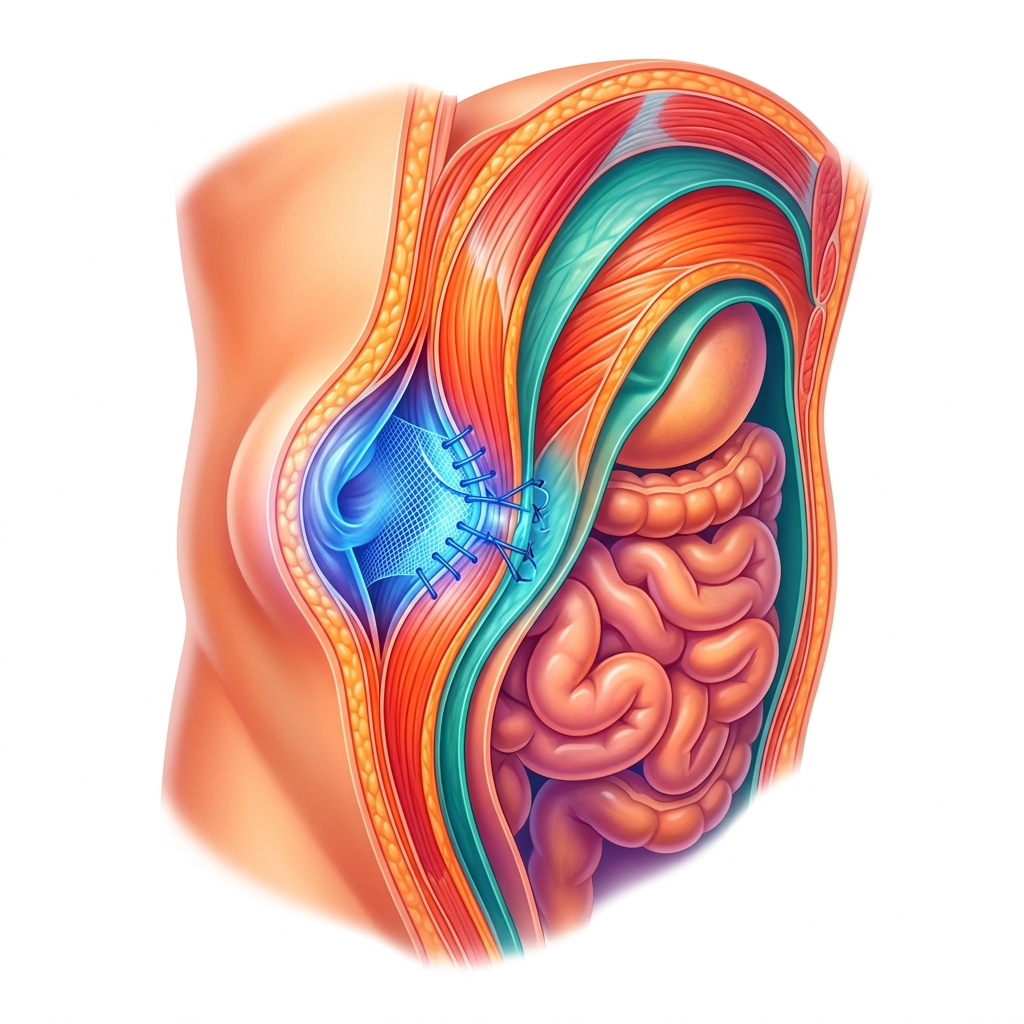
The belly button area is one of the most nerve-rich parts of the abdomen. Here's why umbilical hernia pain surprises so many patients, and how to manage it week by week.
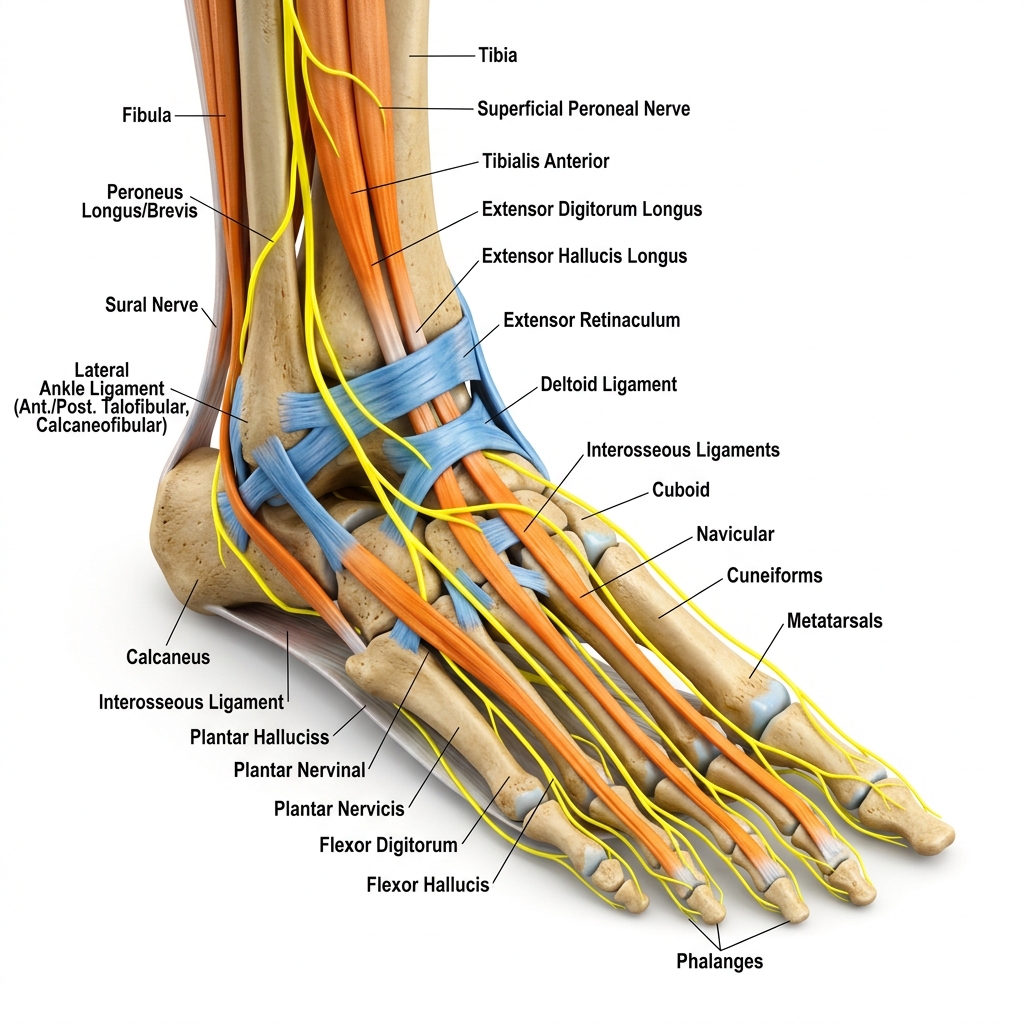
The foot has one of the densest nerve networks in the body. Learn the most effective relief strategies — from elevation to desensitization — plus the recovery timeline by week.