Quick Facts
Fastest relief
Walking
Relief time
24–48 hours
Avoid
Lying flat
Natural remedy
Peppermint tea
In this article
Quick answer
The fastest ways to relieve shoulder pain after laparoscopic surgery are walking, sleeping semi-reclined, applying heat, peppermint tea, and ibuprofen. Most patients get significant relief within 24–48 hours.
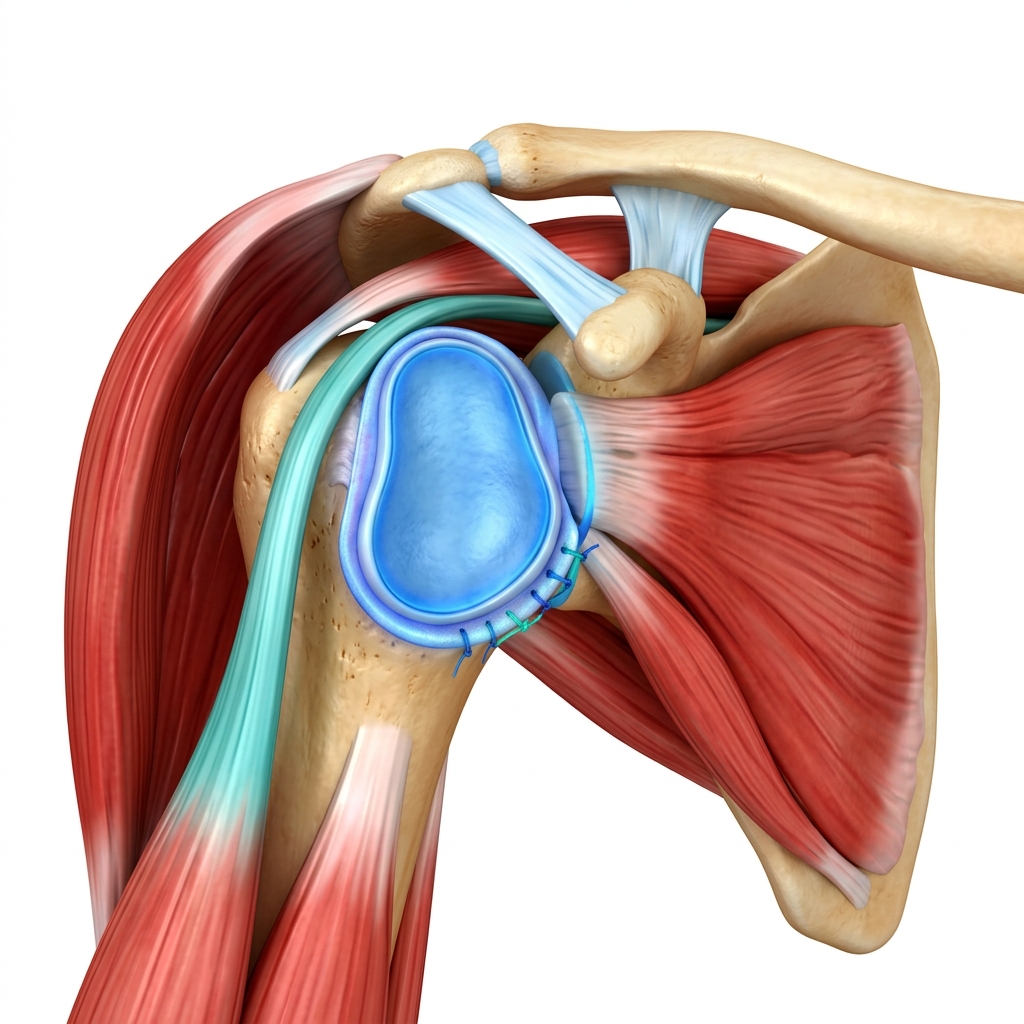
Shoulder pain after laparoscopic surgery affects up to 65% of patients and is one of the most commonly asked about post-operative symptoms. It is caused by trapped CO₂ gas irritating the phrenic nerve — not a surgical complication. Here is exactly what to do to get relief as quickly as possible.
6 Ways to Relieve Shoulder Pain After Laparoscopic Surgery at Home
1
Walk immediately
Walking upright moves the CO₂ gas away from the diaphragm. Start as soon as you can — even a 5-minute shuffle around the room helps. Walk 3–4 times per day.
2
Sleep semi-reclined
Elevate the head of the bed to 30–45°. Lying flat moves gas toward the diaphragm and significantly worsens shoulder pain. A recliner chair is ideal for the first 1–2 nights.
3
Heat on the shoulder
A warm compress or heating pad on the shoulder reduces referred pain. Apply for 15–20 minutes as needed. This does not remove the gas but significantly reduces pain perception.
4
Peppermint tea
Peppermint relaxes gut smooth muscle and speeds gas reabsorption. Drink 2–3 cups per day. Clinical studies support its use for post-laparoscopic shoulder pain.
5
Simethicone (Gas-X)
Simethicone reduces gas bubble size, making it easier for the body to absorb. 80–125mg tablets, 3–4 times daily. Available over the counter.
6
Ibuprofen or Tylenol
Ibuprofen (400mg) or acetaminophen (500–1000mg) reduces pain while the gas absorbs. Take with food. Confirm with surgeon which is appropriate for your recovery.
Best Positions to Reduce Shoulder Pain After Laparoscopic Surgery
Positions that help
- Semi-reclined at 30–45° — best position; keeps gas away from diaphragm
- On your side with knees pulled up — fetal position can help gas pass through the gut
- Standing and walking — best overall; gravity helps move gas down
Positions to avoid
- Lying completely flat on your back — gas rises directly to the diaphragm, worsening pain
- Head-down positions — significantly worsens diaphragm irritation
Pro tip from patients:
Many patients report that gently rocking back and forth while seated — like a rocking chair motion — helps move the gas and provides temporary relief. Try it when pain peaks.
Gas Pain in Shoulder After Surgery — Specific Relief Strategies
Gas pain in the shoulder after surgery has a specific character — it tends to be worse when lying down, better when moving, and may shift between the right shoulder, left shoulder, and the tip of the shoulder blade. Here are additional strategies specifically for this type of pain:
- Knee-to-chest exercises — lie on your back, gently pull one knee toward your chest and hold for 30 seconds. This helps move gas through the gut. Do 5 repetitions each side.
- Deep breathing — slow, deep breaths expand the diaphragm and help distribute and reabsorb the CO₂ gas. Breathe in for 4 counts, hold for 2, breathe out for 6.
- Warm shower — standing in a warm shower provides heat relief to both the abdomen and shoulder simultaneously and encourages movement.
- Avoid carbonated drinks — adding more gas to the system worsens symptoms. Avoid sparkling water, soda, and beer for the first 48 hours.
- Avoid straws — drinking through a straw causes you to swallow air, adding to abdominal gas pressure.
How Long Until Shoulder Pain Goes Away After Laparoscopic Surgery?
| Time | What to expect | What helps most |
|---|---|---|
| Hours 0–6 | Intense shoulder pain, may feel like a muscle injury | Semi-reclined position, first walk |
| Hours 6–24 | Peak pain for most patients | Walking, heat, peppermint tea, medication |
| Day 2 | Significant improvement for most patients | Continue walking and all strategies |
| Day 3 | Most patients fully resolved | Gentle activity |
| Day 5–7 | Resolution for nearly all patients | If persisting, contact surgeon |
Contact your surgeon if shoulder pain:
- Persists beyond 1 week without improvement
- Is accompanied by fever, abdominal pain, or jaundice
- Is accompanied by difficulty breathing or chest pain
- Worsens after initially improving
Free Laparoscopic Surgery Recovery Guide
Get a complete guide to recovering from laparoscopic surgery — reviewed by Dr. Abbasi.
Free. No spam. Unsubscribe any time.
FAQ: Shoulder Pain After Laparoscopic Surgery
How to relieve shoulder pain after laparoscopic surgery at home?
The most effective home remedies are: walking, sleeping semi-reclined, applying heat to the shoulder, drinking peppermint tea, taking simethicone (Gas-X), and using ibuprofen or acetaminophen. Most patients get significant relief within 24–48 hours using these strategies.
How long does gas pain in the shoulder last after surgery?
Gas pain in the shoulder after laparoscopic surgery typically lasts 24–72 hours. Most patients find it significantly better by day 2 and fully resolved by day 3. In some cases it can last up to 5–7 days.
Does walking help shoulder pain after laparoscopic surgery?
Yes, walking is one of the most effective ways to relieve shoulder pain after laparoscopic surgery. Walking upright helps move the trapped CO₂ gas away from the diaphragm and speeds up gas reabsorption. Even 5-minute walks help significantly.
Why does peppermint help shoulder pain after laparoscopic surgery?
Peppermint contains menthol which relaxes gastrointestinal smooth muscle and helps gas pass through the gut more quickly. Several clinical studies have found peppermint reduces post-laparoscopic shoulder pain compared to no treatment.