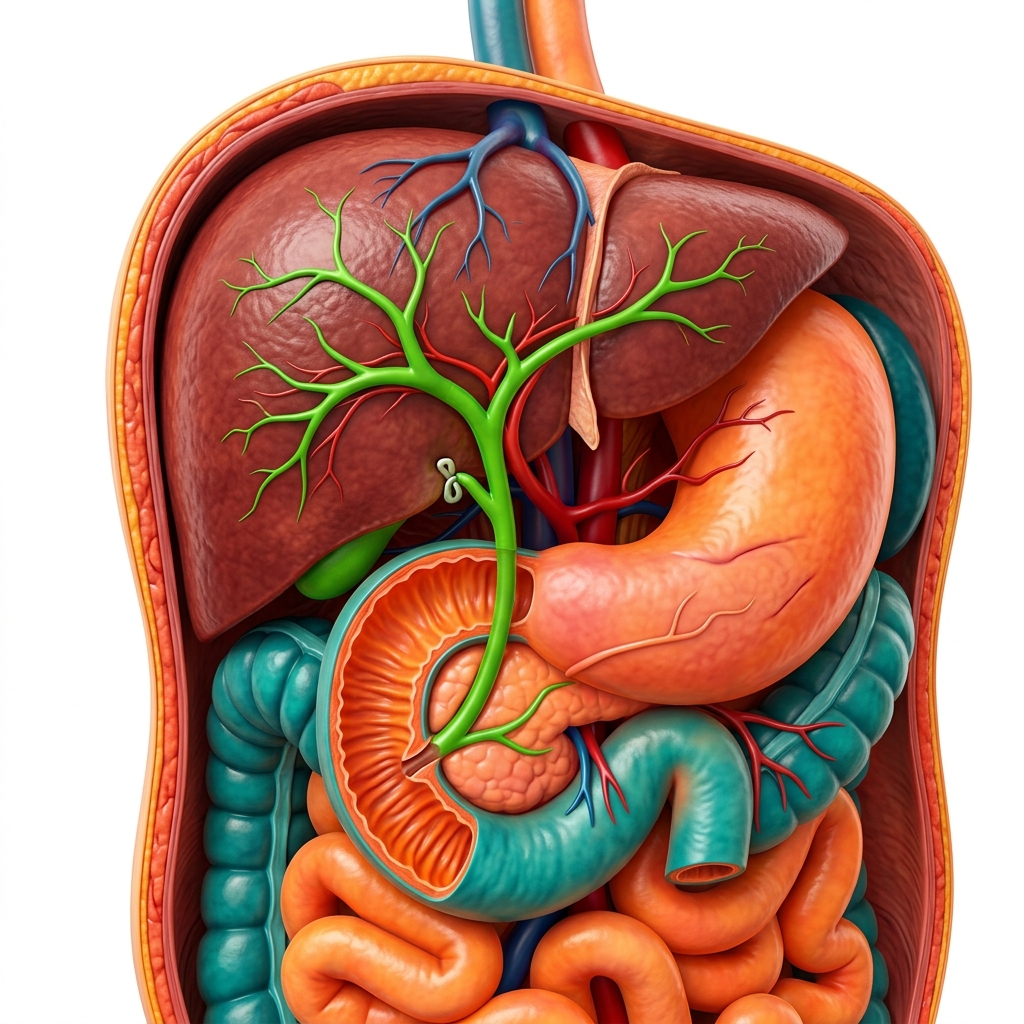
Laparoscopic cholecystectomy (gallbladder removal) is one of the most common surgeries performed in the US — over 700,000 per year. While recovery is significantly faster than open surgery, most patients are surprised by how sore they feel in the first week. Here is exactly what to expect.
Types of Pain After Gallbladder Surgery
Incision site pain
Laparoscopic gallbladder surgery uses 3–4 small incisions (typically 0.5–1 cm each). The largest incision — at the belly button — is where the gallbladder is removed and tends to be the most painful. Incision pain is sharp with movement and a dull ache at rest. It peaks at days 1–3 and improves significantly by week 1–2.
Deep abdominal aching
Beyond the incision sites, a deep internal aching is common for the first week. This comes from the surgical manipulation of abdominal organs, the port sites in the abdominal wall, and normal post-surgical inflammation. It is typically described as a bruised feeling inside the abdomen.
Shoulder tip pain from CO₂ gas
The most surprising pain for most patients. Residual CO₂ gas irritates the phrenic nerve under the diaphragm, causing referred pain in the shoulder — usually the right, sometimes both. It peaks in the first 6–12 hours and resolves in 1–3 days for most patients. Walking, heat, and peppermint tea provide the fastest relief.
Bloating and gas discomfort
Internal gas and bloating is common for the first 3–5 days. The gut slows down after surgery (ileus) and gas builds up. Walking and gentle movement are the most effective remedy.
Recovery Timeline After Gallbladder Surgery
| Timeline | What to expect | Activity level |
|---|---|---|
| Day 1–2 | Significant abdominal and shoulder pain. Rest at home. Short walks. | Rest, short walks only |
| Day 3–5 | Shoulder pain resolves. Abdominal pain reducing. Gas and bloating. | Light home activity |
| Week 1–2 | Most patients feel significantly better. Incision sites tender to touch. | Return to desk work, driving |
| Week 2–4 | Near full recovery for most. Incisions healed. | Most activities including light exercise |
| Week 4+ | Full recovery. No restrictions. | Full activity including heavy lifting |
Normal Pain vs. Warning Signs
- ✓ Incision site soreness days 1–10
- ✓ Deep abdominal aching first week
- ✓ Shoulder tip pain days 1–3
- ✓ Bloating and gas days 1–5
- ✓ Fatigue first 1–2 weeks
- ✓ Loose stools initially
- ✓ Mild nausea day 1
- ⚠ Fever above 101°F
- ⚠ Jaundice (yellow skin/eyes)
- ⚠ Dark urine + pale stools
- ⚠ Severe increasing abdominal pain
- ⚠ Discharge from incision
- ⚠ Pain not improving after week 1
- ⚠ Difficulty breathing
How to Manage Pain at Home After Gallbladder Surgery
- Walk from day 1 — the most effective strategy for all types of post-cholecystectomy pain
- Sleep semi-reclined — for the first 2 nights; reduces shoulder gas pain
- Acetaminophen + ibuprofen — alternating every 3 hours provides better pain control than either alone
- Stool softeners — prevent constipation which worsens abdominal pain
- Low-fat diet initially — without the gallbladder, bile flows directly from the liver to the small intestine; fatty foods cause loose stools and cramping in the first few weeks
- Avoid lifting over 10 lbs for the first 2 weeks
FAQ: Pain After Gallbladder Surgery