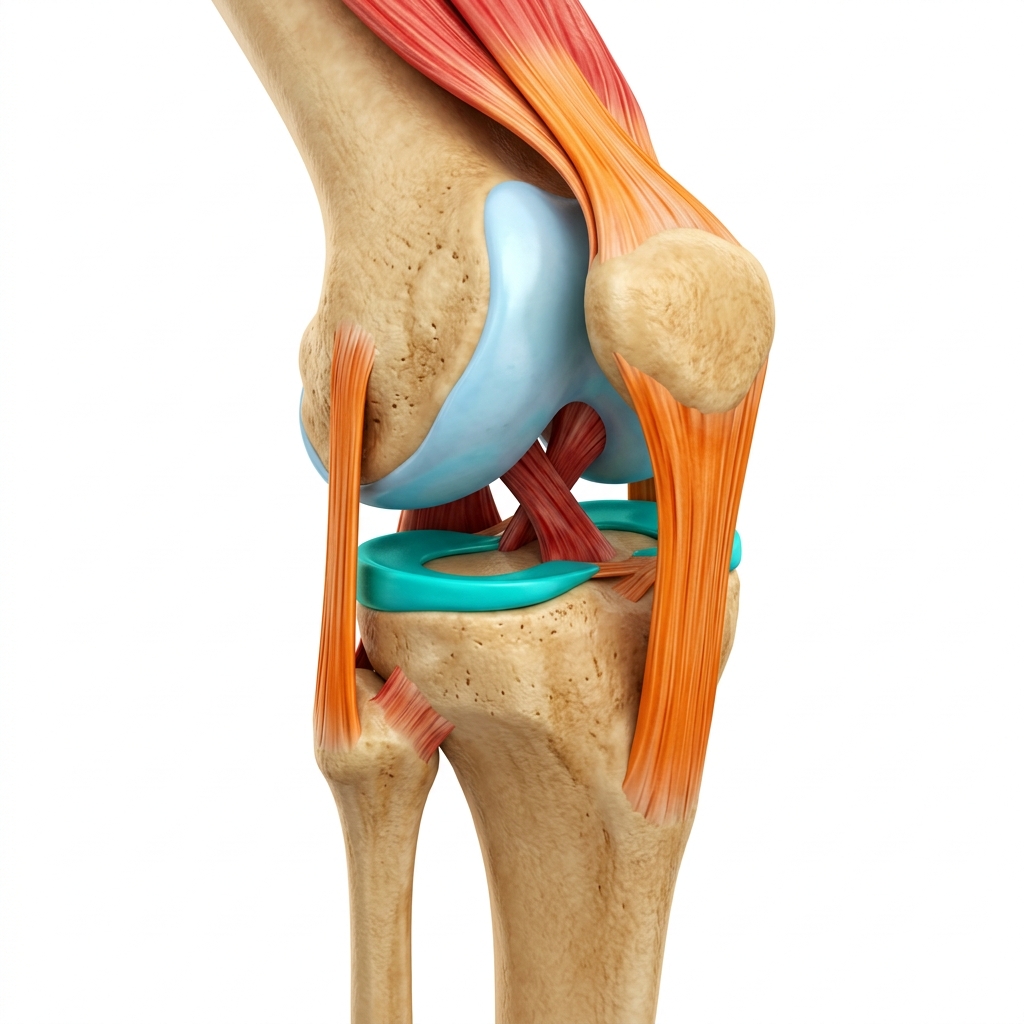
There are two types of meniscus surgery with very different recovery timelines: meniscectomy (partial removal of the torn meniscus) and meniscus repair (suturing the tear back together). Understanding which procedure you had is essential for knowing what pain at 3 months means.
Knee Pain 3 Months After Meniscus Surgery — Is It Normal?
Why pain can persist at 3 months
After meniscectomy: mild discomfort at 3 months is borderline normal but should be clearly improving. By month 3 after meniscectomy, most patients can walk, climb stairs, and do light jogging without significant pain. If you are still having significant pain at 3 months after meniscectomy, it warrants evaluation.
After meniscus repair: pain and soreness at 3 months is entirely expected. Meniscus repair requires the tear to heal — a process that takes 3–4 months. Full return to sport is typically at 4–6 months.
What the research says
Studies on meniscectomy outcomes show that 85–90% of patients have good to excellent results at 3 months. For meniscus repair, approximately 75–85% of repairs heal successfully. Patients with successful repairs have better long-term outcomes than meniscectomy patients in terms of knee preservation and reduced osteoarthritis risk.
Pain Behind the Knee After Meniscus Surgery
What causes posterior knee pain after meniscectomy
- Posterior capsule tightness — the most common cause. The back of the knee joint capsule becomes tight during the post-operative period of limited activity.
- Baker's cyst — a fluid-filled sac that forms in the back of the knee in response to excess joint fluid. Most Baker's cysts resolve on their own as post-surgical inflammation subsides.
- Posterior meniscus horn involvement — if the surgery addressed the posterior portion of the meniscus, pain at the back of the knee is expected during healing.
Treatment and relief options
- Hamstring stretching — gently stretch the hamstrings daily; tight hamstrings significantly worsen posterior knee pain
- Prone lying — lie face down for 15–20 minutes daily to gently stretch the posterior capsule
- Physical therapy — a PT can perform specific posterior capsule stretching and mobilization techniques
- Ice — applied behind the knee for 15 minutes reduces posterior inflammation
Week-by-Week Recovery Timeline After Meniscus Surgery
| Phase | Meniscectomy | Meniscus Repair |
|---|---|---|
| Week 1–2 | Crutches, significant swelling, limited weight bearing | Crutches, brace, non-weight bearing or partial weight bearing |
| Week 3–6 | Walking without crutches, PT begins, light activity | Gradual weight bearing, PT begins, brace continues |
| Month 2–3 | Return to most daily activities, light exercise | Progressive PT, cycling, swimming. No running yet. |
| Month 3–4 | Return to sport for most patients | Progressive strengthening, jogging begins |
| Month 4–6 | Full activity | Return to sport, full activity |
Pain Scale After Meniscus Surgery
FAQ: Knee Pain After Meniscus Surgery